
Rosa Damascena Rose Oil: Production, Quality and Wholesale Advantages
What Is Rosa Damascena?
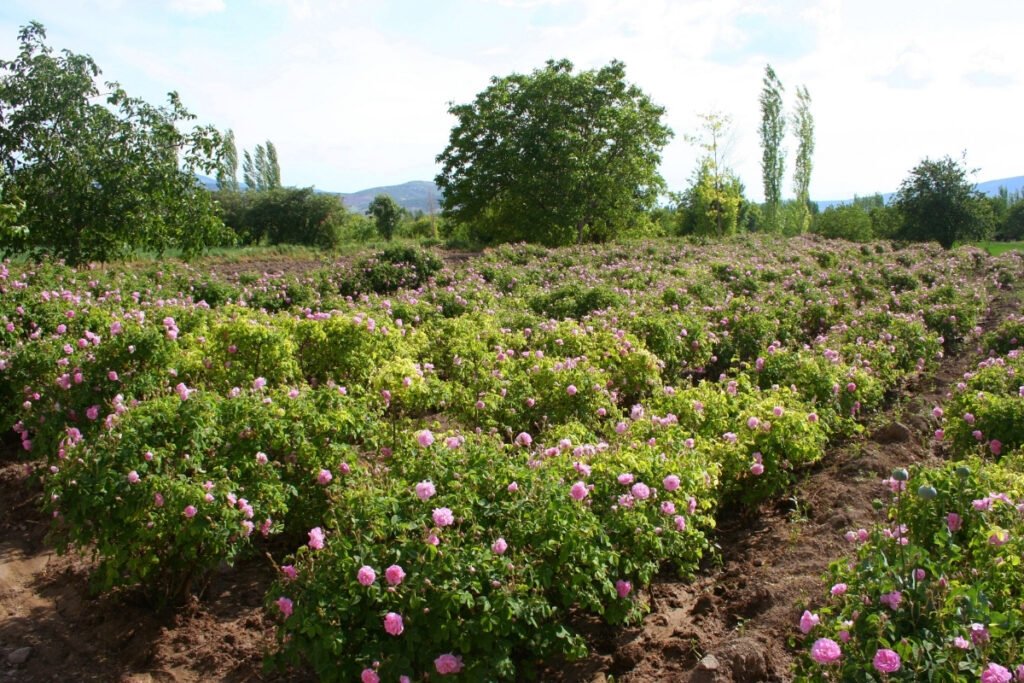
Rosa × damascena, the Damask rose, is a historic hybrid rose prized for its intense fragrance. It emerged in Central Asia about 7,000 years ago when ancestral roses (R. gallica, R. moschata and R. fedtschenkoana) mixed in the wild. Known by many names (Bulgarian rose, Iranian rose, Taif rose, etc.), Rosa damascena thrives only in special climates. Today the only large-scale producers are Turkey and Bulgaria, with small amounts also grown in Iran, India and Morocco.
Isparta province in southwest Turkey, often called the “City of Roses,” is especially famed for its Damask rose fields. The area’s altitude (∼1035m), sunny days and cool nights yield exceptionally fragrant blooms. In fact, Isparta alone produces about 60% of the world’s rose oil. Roughly 10,000 local families cultivate Rosa damascena for oil. This tradition began in 1892, when Isparta’s first rose oil was distilled, and expanded through the 20th century (the first modern distillery opened in 1935).
What Is Rose Oil? Types, Uses and Value
Rose oil is the highly concentrated essential oil extracted from Damask rose petals. The classic form – called rose otto or attar – is obtained by steam distillation of fresh flowersen.wikipedia.org. (A related process co-distills “rose water,” the fragrant hydrosol.) Alternatively, rose concrete (a waxy resin) and rose absolute (a refined extract) are obtained via solvent or CO₂ extraction of the petals. All are valued in perfumery, cosmetics and flavoring. In perfumery, even a tiny drop is precious: for example, it takes on the order of 3,500–4,000 kilograms of fresh roses to yield just 1 kg of pure rose oilultranl.com. This scarcity makes rose oil one of the world’s most expensive natural oils – currently on the order of USD $11,000+ per kilogramultranl.com (and far higher for certified organic or Geographically Indicated “Isparta Rose” oil).
Rose oil (especially the steam-distilled otto) has a rich floral scent and is widely used as a fragrance fixative. Its absolute and concrete forms capture a similar rosy aroma but cost less. Beyond perfumery, rose oil and its byproducts have many uses: rose water and glycerin extractions flavor Middle Eastern desserts (baklava, Turkish delight) and teas, while in traditional medicine rose preparations are used for skin and stress relief. In modern aromatherapy and skincare, rose oil is prized for its soothing, anti-inflammatory and antioxidant properties. (The petals themselves are edible – used fresh or candied – and still appear in some gourmet recipes.)
How Is Rose Oil Produced?
Rosa damascena oil is made almost entirely by steam distillation. Harvested at dawn when their scent is highest, the freshly picked petals are taken straight to the distillery and placed in large copper or stainless stills. In steam distillation, hot steam passes through the rose petals, vaporizing their volatile oils. Timing and technique are crucial: growers pick before sunrise (to avoid heat loss of aroma) and distill immediately. Often a second distillation or “cohobation” step is used to extract the remaining oil from the water. The resulting condensate separates into rose oil and fragrant rose water (hydrosol).
Traditionally this was done in copper stills fired by wood, but modern producers also use automated steam boilers and high-tech systems. After distillation, the rose oil floats on top of the water (it’s slightly less dense) and is drawn off. The entire process is labor-intensive: for example, an Isparta cooperative once reported distilling 300 tonnes of fresh roses per day during harvest season to yield only dozens of kilograms of oil. In numbers: roughly one kilo of oil per 3,500–4,000 kg of petals.
Another extraction route is solvent extraction, in which fresh petals are “washed” with a solvent (hexane or CO₂), producing a waxy concrete. The concrete is then treated (often with alcohol) to separate a pure absolute. This absolute captures most of the rose aroma and is used in the same way as distilled oil. In practice, true steam-distilled rose oil (sometimes called Attar of Roses) is often considered the highest-quality form, because it is 100% pure and undiluted by solvents.
Qualities of Premium Rose Oil
High-grade Rosa damascena oil has a distinctive light-yellow (or pale reddish) color and an intense floral-spicy aroma. Ultra-pure oil often thickens or even solidifies when chilled – a waxy crystallization that actually signals authenticity. (Rose otto is known to solidify below ~60°F; adulterated oil remains liquid.) Chemically, genuine Damask rose oil is defined by key constituents: typically citronellol (35–40%) and geraniol (10–20%), along with smaller amounts of nerol, phenylethanol, linalool and trace esters. These components give rose oil its rich, classic scent.
Quality control is strict: premium rose oil must meet ISO/IFRA standards for composition and purity. Buyers test each batch with gas chromatography to verify the fingerprint of natural rose compounds. True Isparta rose oil will show the expected balance of fragrance molecules and no synthetic additives. In practice, suppliers also certify other qualities (e.g. organic, kosher or allergen declarations) and often issue batch reports with each shipment.
Economic Value of Rose Oil
Rose oil’s rarity makes it extremely valuable. Global rose oil output is very small (on the order of a few hundred tonnes per year), yet demand is rising in high-end cosmetics, perfumery and aromatherapy. For perspective, a recent market report noted world rose oil sales over USD 2–3 billion annually, with prices reaching > $11,000 per kilogram. This price volatility reflects the short one-month harvest season and the fact that yields depend on weather. For example, a hot spell or rain during bloom can drastically cut output.
Turkey, and Isparta specifically, dominate this market: about 80% of Turkey’s rose oil comes from Isparta, and Turkey as a whole supplies some 60% of the world’s rose oil. (Bulgaria’s Rose Valley is the other major source.) The high market price makes rose oil a lucrative crop for growers – but also means buyers must work with reliable suppliers to manage cost. Even a slight impurity or mislabeling can devastate trust and value in this premium niche.
Industrial Applications
Rose oil and its extracts have diverse industrial uses across perfumery, cosmetics, pharmaceuticals and food:
Perfumery & Fragrance: Rose oil is a legendary perfume ingredient and fixative. Its complex aroma (floral, fruity, honeyed notes) is used in luxury perfumes, colognes and scented products. Rose absolute and concrete are also popular in fine fragrance blends.
Cosmetics & Skincare: Rose oil is valued for skin care and wellness. It appears in creams, serums, massage oils and soaps for its soothing, anti-aging and antibacterial benefits. Rose waters (the distilled hydrosol) hydrate and tone the skin. Many natural cosmetic brands seek bulk rose oil for “natural rose” product lines.
Food & Flavor: In food and beverages, rose oil and rose water flavor specialty items. Middle Eastern and South Asian cuisines use it in sweets (e.g. Turkish delight, marzipan) and drinks. Edible rose oil is a premium flavor ingredient in desserts and culinary extracts.
Pharmaceutical & Wellness: Rose oil’s therapeutic properties (antispasmodic, anti-inflammatory, mood-elevating) make it a component of niche pharmaceuticals and aromatherapy formulations. It is used in stress-relief aromatherapy blends, massage oils, and sleep/digestive aids.
The bottom line: every rose oil drop is converted into high-value products. Top perfumers and brands are keen to source bulk rose oil for cosmetics and perfumery, making Isparta-sourced oil especially coveted for “Made in Turkey” authenticity.
Advantages of Buying Wholesale Rose Oil
For B2B customers, purchasing rose oil in bulk from a trusted wholesale supplier offers major benefits:
Price Stability & Volume Discounts: Buying large quantities secures better pricing. It also protects against spot-market spikes during a poor harvest or high demand year. Wholesale contracts can lock in agreed rates for a season.
Consistency & Traceability: A reputable supplier provides batch-to-batch consistency. All oil is traceable to origin (e.g. Isparta harvest year), with full documentation (COA, GC reports, pesticide tests). This ensures the oil’s scent profile and safety match your specifications every time.
Certification & Quality Assurance: Bulk suppliers often hold ISO or GMP certifications and can provide organic/Kosher/Halal documentation. Their distilleries follow strict GMP/ISO protocols, and they offer on-site audits if needed. This level of control is vital for cosmetics and pharmaceutical formulations.
Reliability & Support: Working directly with an Isparta-based supplier (like Rose Oil Market) means reliable logistics and local expertise. You get dedicated service (tech support, custom packaging, sample returns) and assurance that the oil is ethically farmed. Wholesale suppliers can also advise on usage rates and blending recommendations for your product.
In short, a wholesale rose oil supplier provides not just oil, but peace of mind – consistent quality, full documentation, and the scale to meet your manufacturing needs. This is especially important for value-added industries (fragrance houses, skincare brands) where batch consistency and cost control are critical.
Storage and Handling Tips
Rose oil should be stored carefully to preserve its fragrance and shelf life. Key tips: keep oil in a tightly sealed glass (preferably amber) bottle, and store it in a cool, dark place (ideally 10–20 °C). Avoid heat, light or air exposure, which can oxidize the oil and dull its aroma. Under proper conditions rose oil typically lasts 2–3 years without significant quality loss. When handling, use clean droppers or pipettes to avoid contamination. For very long storage, vacuum-flush or backfill the headspace with inert gas (nitrogen) if possible. By following these best practices, you ensure each batch of rose oil retains the rich scent and therapeutic potency you expect.
Ready to experience the difference of premium Turkish rose oil? Contact Rose Oil Market today for high-grade, certified Rosa damascena oil in wholesale quantities. We specialize in sourcing Isparta’s finest Rose Oil (steam-distilled and absolute) directly from trusted growers. Let Rose Oil Market be your reliable partner for bulk rose oil, with full traceability, quality testing and competitive pricing. Get in touch to request samples and pricing – and elevate your products with authentic Turkish rose oil.
Keywords: Rosa damascena biology and cultivation; oil extraction and yield; composition and quality; market value and uses.